

Build In-House Content Team or Hire a B2B Content Agency?
Building an in-house content team offers full control but requires significant time and capital. Hiring a B2B content agency provides immediate access to specialized skills and strategic expertise. The right choice depends on your company's growth stage, budget, and long-term marketing goals. This guide explores the key factors to help you decide.
Hybrid Team Structure
Many B2B companies adopt a hybrid model to balance control with scalability. This approach combines a small in-house team with external agency support. The in-house team handles brand voice, editorial oversight, and internal communications. The agency manages high-volume content production, SEO optimization, and distribution.
Defining Roles in a Hybrid Model
A hybrid structure is a staffing model that blends internal employees with external partners. This setup allows companies to maintain core brand integrity while leveraging external expertise. For example, an in-house content manager can approve all agency-produced articles before publication. This ensures consistency without requiring the internal team to write every piece.
Benefits of the Hybrid Approach
The hybrid model offers flexibility during peak demand periods. Companies can scale content output up or down without the overhead of full-time hires. It also provides a safety net if an agency underperforms. The in-house team retains the institutional knowledge to pivot strategies quickly. This balance is particularly useful for companies in the technology and industrial sectors where content needs are complex.
Specialized Skills Access
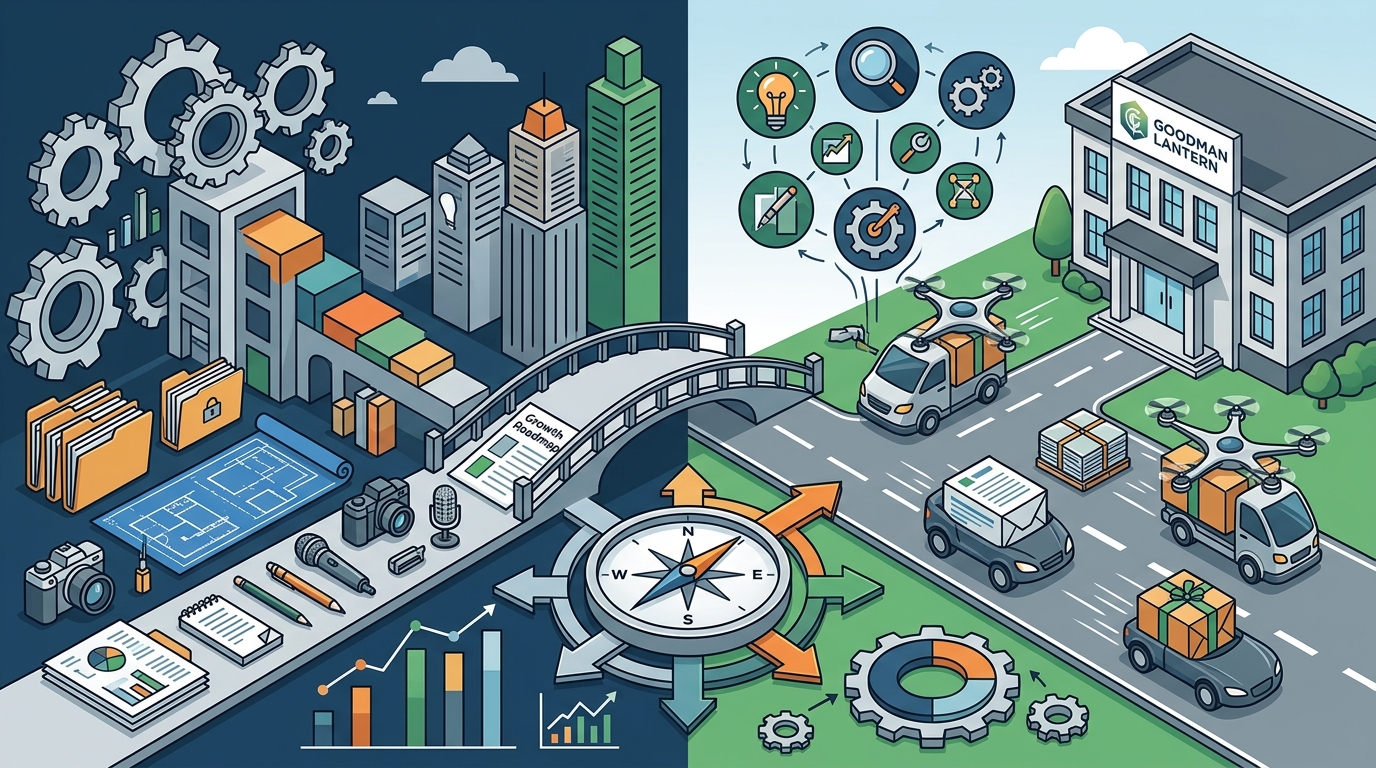
Content marketing requires a diverse skill set that is difficult to hire in-house. A B2B content agency is a service provider that offers a team of specialists under one roof. These specialists include SEO strategists, technical writers, graphic designers, and project managers. Hiring all these roles in-house is expensive and time-consuming.
The Cost of Specialized Talent
Recruiting a senior SEO specialist or a technical writer can cost significantly more than a generalist content writer. Agencies aggregate this talent, allowing clients to access high-level skills without the recruitment burden. For instance, a company needing both long-form white papers and short-form social media content can hire an agency that covers both. This eliminates the need to hire separate specialists for each content type.
Access to Industry Expertise
Agencies often serve multiple industries, giving them a broad perspective. This cross-industry experience can bring fresh ideas to your content strategy. An agency that works with both SaaS and manufacturing clients can identify best practices that apply across sectors. This breadth of knowledge is hard to replicate with a small in-house team focused solely on one company.
Strategic Ownership
Strategic ownership refers to the level of control a company has over its content direction. In-house teams typically have higher strategic ownership because they are deeply embedded in the company's culture. They understand the product nuances and customer pain points intimately. However, this deep knowledge can sometimes lead to a lack of objectivity.
Agency Objectivity vs. Internal Insight
Agencies bring an outside perspective that can challenge internal assumptions. They can identify gaps in the content strategy that internal teams might miss due to familiarity. This objectivity is valuable for brands looking to break into new markets or reposition themselves. On the other hand, in-house teams have direct access to product teams and customer feedback. This allows for highly accurate and detailed content that resonates with the target audience.
Aligning Strategy with Business Goals
Regardless of the team structure, content strategy must align with business goals. An in-house team can easily integrate content plans with sales and product roadmaps. Agencies require clear communication and regular check-ins to ensure alignment. Establishing a shared KPI framework is crucial for both models. This ensures that content efforts drive measurable business outcomes, such as lead generation or brand awareness.
Team Building Timeline
The timeline for building an in-house content team is a critical factor in the decision. Hiring, onboarding, and training a team takes months. During this period, content output may be minimal or non-existent. This gap can be detrimental for companies that need immediate visibility in search engines or AI-generated results.
Recruitment and Onboarding Phases
Recruiting a content team involves several stages. First, you must define the roles and job descriptions. Next, you post the jobs and review applications. This process can take 4 to 8 weeks per role. After hiring, onboarding takes another 4 to 6 weeks. During onboarding, new hires learn the brand voice, tools, and processes. Only then can they produce high-quality content independently. For a team of three, this timeline can extend to 6 months or more.
Agency Onboarding Speed
Agencies can ramp up much faster. A well-established agency can start producing content within 2 to 4 weeks of onboarding. They have existing processes, tools, and templates in place. This speed is a significant advantage for companies with urgent marketing needs. It allows them to capture market share and build authority quickly. The faster start also means earlier feedback loops, enabling quicker strategy adjustments.
| Factor | In-House Team | B2B Content Agency |
|---|---|---|
| Time to First Content | 3-6 months | 2-4 weeks |
| Monthly Cost | High (Salaries + Benefits) | Variable (Project-based or Retainer) |
| Brand Knowledge | Deep and Immediate | Requires Onboarding |
| Scalability | Slow (Hiring Process) | Fast (Existing Talent Pool) |
| Strategic Control | High | Medium (Collaborative) |
Key Takeaways
- A hybrid model often provides the best balance of control and scalability for B2B companies.
- Agencies offer immediate access to specialized skills like SEO and technical writing.
- In-house teams provide deeper brand knowledge and higher strategic ownership.
- Building an in-house team takes 3 to 6 months, while agencies can start in 2 to 4 weeks.
- Cost structures differ significantly, with agencies offering variable pricing and in-house teams requiring fixed salaries.
- Clear communication and shared KPIs are essential for both in-house and agency models.
- The right choice depends on your company's growth stage, budget, and content volume needs.
Frequently Asked Questions
How much does it cost to hire a B2B content agency?
Agency costs vary widely based on scope and expertise. Retainers can range from a few thousand to tens of thousands of dollars per month. Project-based pricing is also common for specific deliverables like white papers or website content.
Can an agency understand our brand as well as an in-house team?
With proper onboarding and communication, agencies can achieve a deep understanding of your brand. However, in-house teams have a natural advantage due to their daily immersion in the company's culture and operations.
What is the best way to transition from an agency to an in-house team?
Start by hiring a content manager to oversee the agency's work. As the in-house team grows, gradually shift more responsibilities to them. Use the agency for overflow or specialized tasks during the transition.
Do agencies provide SEO services along with content writing?
Most B2B content agencies offer integrated SEO services. This includes keyword research, on-page optimization, and technical SEO audits to ensure content ranks well in search engines.
How do we measure the success of a content agency?
Define clear KPIs before starting the engagement. Common metrics include organic traffic, lead generation, conversion rates, and brand authority scores. Regular reporting and reviews are essential for tracking progress.
Is it better to hire freelancers or an agency?
Freelancers can be cost-effective for specific tasks but lack the consistency and scalability of an agency. Agencies provide a dedicated team and project management, ensuring reliable delivery and quality control.