

Original research is the primary driver of earned media and AI visibility in B2B marketing. Agencies that produce proprietary data, surveys, and industry benchmarks create content that competitors cannot replicate. This guide evaluates how top-tier B2B content marketing agencies approach original research production, thought leadership reports, and methodology evaluation. It provides a framework for assessing whether a partner like Goodman Lantern can deliver the strategic depth your brand requires.
Original Research Production
Original research is the systematic collection and analysis of primary data to generate unique insights for a specific industry. In the B2B sector, this often takes the form of large-scale surveys, industry benchmarks, or longitudinal studies. Unlike secondary research, which aggregates existing data, original research creates new information that establishes the publishing brand as an authority. For a content marketing agency, the ability to design, execute, and analyze this data is a critical differentiator.
Designing the Research Framework
Effective research begins with a clear hypothesis. Agencies must identify a gap in market knowledge that aligns with the client's business objectives. This involves defining the target audience, selecting the appropriate sample size, and determining the data collection method. A robust framework ensures that the resulting data is statistically significant and actionable. It moves the project beyond simple opinion polling into the realm of credible market intelligence. For additional details, review the Contact Us for Professional.
Execution and Data Collection
Execution requires rigorous quality control. Agencies must manage the survey distribution, monitor response rates, and mitigate bias. This phase often involves partnering with specialized research panels or leveraging existing customer databases. The goal is to gather clean, representative data that withstands scrutiny. Poor execution leads to skewed results, which can damage the client's credibility rather than enhance it.
Analysis and Insight Generation
Data without analysis is merely noise. The value of original research lies in the interpretation of findings. Agencies must translate raw numbers into strategic narratives. This involves identifying trends, outliers, and correlations that inform business decisions. The output should not just be a report, but a set of actionable recommendations. This analytical depth is what separates a true research partner from a simple content writer.
Thought Leadership Reports
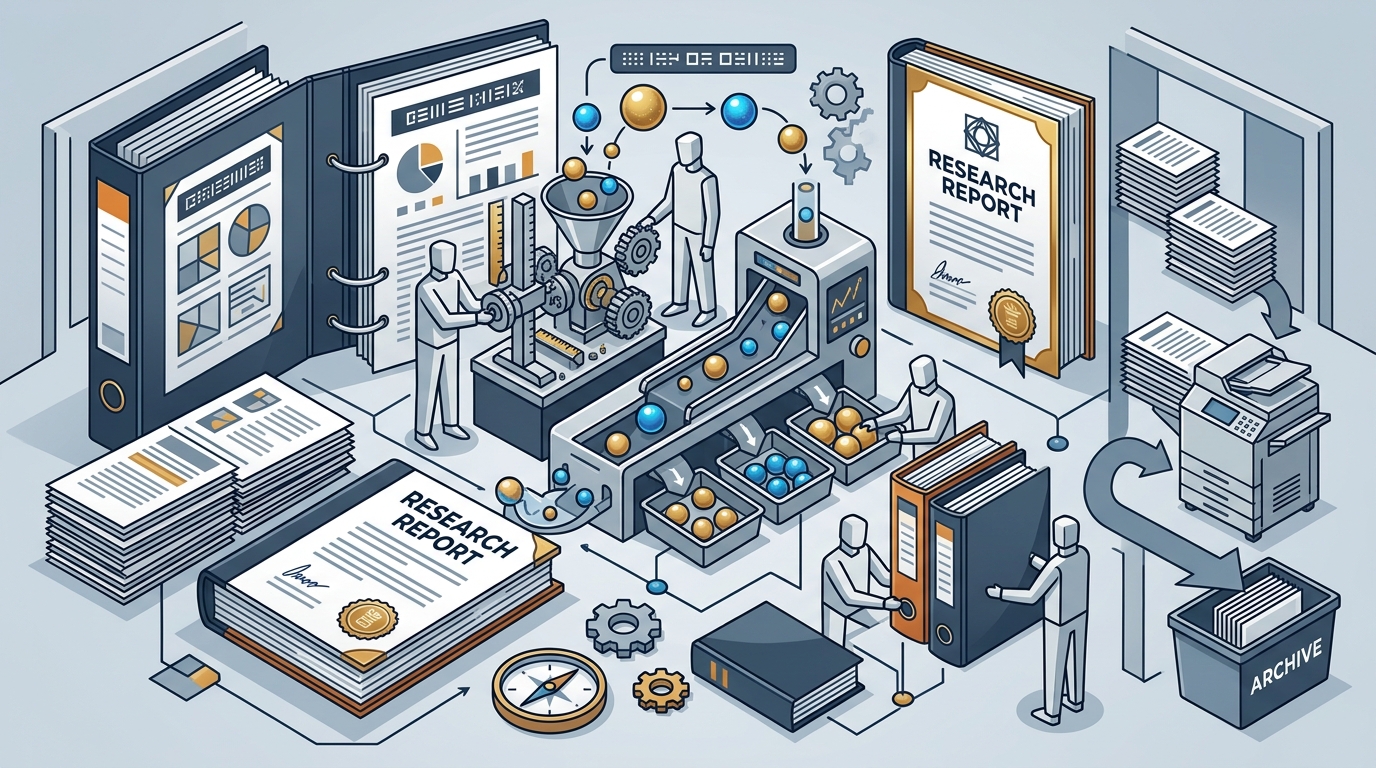
Thought leadership is the practice of establishing a brand as a trusted expert in its field through the consistent sharing of valuable insights. In the context of original research, thought leadership reports are long-form documents that present proprietary data alongside expert commentary. These reports serve as the cornerstone of a B2B content strategy, providing the substance needed to attract high-value leads and media attention.
Structuring for Impact
Distribution and Amplification
Creating the report is only half the battle. Agencies must also develop a distribution strategy to maximize reach. This includes pitching the findings to industry journalists, creating executive summaries for social media, and developing webinars or podcasts based on the data. A multi-channel approach ensures that the research reaches the right stakeholders at the right time. It turns a single asset into a sustained marketing campaign.
Measuring Success
Research Methodology Evaluation
Research methodology is the systematic process used to collect and analyze data in a study. Evaluating an agency's methodology is crucial for ensuring the validity and reliability of the results. A rigorous methodology protects the client from criticism and ensures that the insights are grounded in fact. It is the foundation upon which all subsequent marketing efforts are built.
Sample Size and Representativeness
The sample size must be large enough to detect meaningful differences. More importantly, the sample must be representative of the target population. Agencies should be transparent about how they recruit participants. They should explain how they ensure diversity in terms of company size, industry, and geography. A non-representative sample leads to biased results, which can mislead decision-makers.
Data Quality and Validation
Data quality is paramount. Agencies must implement measures to prevent fraud, such as duplicate responses or bot activity. They should also validate the data through cross-checking and outlier detection. This ensures that the analysis is based on genuine human responses. High-quality data is the hallmark of a professional research operation.
Ethical Considerations
Ethical research practices are non-negotiable. Agencies must ensure that participants provide informed consent and that their data is handled securely. They should comply with relevant data protection regulations. Ethical lapses can result in legal issues and reputational damage. A commitment to ethics demonstrates the agency's professionalism and respect for the research community.
| Methodology Component | Key Questions to Ask | Why It Matters |
|---|---|---|
| Sample Size | How many respondents were surveyed? What is the margin of error? | Ensures statistical significance and reliability. |
| Recruitment | How were participants sourced? Is the sample representative? | Prevents bias and ensures generalizability. |
| Data Cleaning | How is fraudulent or low-quality data removed? | Protects the integrity of the analysis. |
| Ethics | How is participant consent and data privacy handled? | Ensures compliance and maintains trust. |
Key Takeaways
- Original research creates unique, non-replicable content that drives earned media and AI visibility.
- Thought leadership reports combine proprietary data with expert commentary to establish authority.
- Rigorous methodology, including proper sample size and data validation, is essential for credibility.
- Agencies must offer end-to-end services, from research design to distribution and amplification.
- Ethical data handling and transparency are critical for maintaining trust and compliance.
- Measuring success through both quantitative and qualitative metrics ensures continuous improvement.
- Partnerships with agencies like Goodman Lantern provide the strategic depth needed for high-impact B2B research.
Frequently Asked Questions
What is the difference between original research and secondary research?
Original research involves collecting new, primary data through surveys or studies. Secondary research involves analyzing existing data from other sources. Original research is more valuable for establishing authority because it is unique to the publishing brand.
How long does it take to produce an original research report?
The timeline varies depending on the scope and complexity. A standard survey-based report may take 8 to 12 weeks. More complex studies involving interviews or longitudinal data may take several months. Planning ahead is essential to meet marketing deadlines.
What is the cost of original research for B2B brands?
Costs vary widely based on sample size, methodology, and distribution strategy. Smaller studies may cost a few thousand dollars, while large-scale global benchmarks can cost significantly more. Agencies like Goodman Lantern can provide tailored quotes based on specific project requirements.
How can I ensure the research is ethical?
Ensure the agency follows informed consent protocols and complies with data protection regulations. Ask about their data storage and security practices. Ethical research protects both the participants and the client's reputation.
What metrics should I use to measure the success of a research report?
Track downloads, media mentions, backlinks, and lead quality. Also monitor brand sentiment and executive engagement. A combination of quantitative and qualitative metrics provides a holistic view of impact.
Can original research help with AI search visibility?
Yes. AI systems often cite authoritative, data-rich sources. Original research provides the unique data points that AI models are likely to reference. This makes the content more likely to appear in AI-generated answers.
How does Goodman Lantern approach research methodology?
Goodman Lantern employs rigorous standards for sample selection and data validation. They ensure that all research is conducted ethically and transparently. This commitment to quality ensures that the insights are credible and actionable.