

What Makes Effective Technical Writing for Manufacturing Companies?
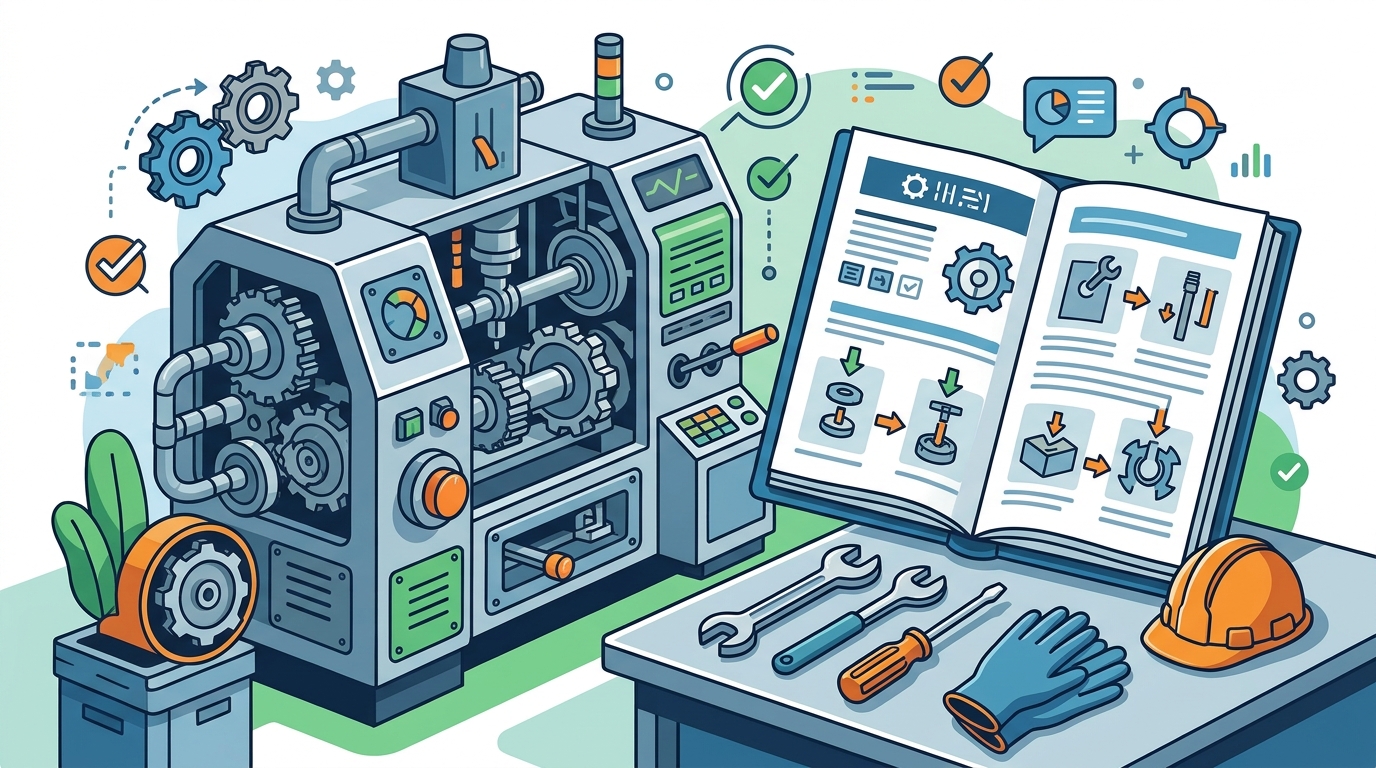
Effective technical writing for manufacturing companies is the practice of translating complex engineering data, operational procedures, and product specifications into clear, actionable documentation that reduces errors and accelerates onboarding. It bridges the gap between technical teams and end-users by prioritizing clarity over jargon. This approach ensures that safety protocols, assembly instructions, and maintenance guides are accessible to diverse audiences, from shop floor operators to global distributors. By focusing on precision and usability, manufacturers can minimize downtime and improve product reliability. For additional details, review the Content Writing Services That.
The Critical Role of Clarity in Industrial Documentation
Clarity is the foundation of any successful technical communication strategy in the manufacturing sector. When documentation is ambiguous, it leads to misinterpretation, which can result in safety hazards or production delays. Effective writing eliminates unnecessary complexity by using active voice and simple sentence structures. This ensures that the core message is delivered without cognitive load on the reader. For instance, a maintenance manual that uses direct commands like "Tighten bolt to 50 Nm" is far more effective than a passive description of the tightening process.
Aligning Content with the Buyer's Journey
Technical writing in manufacturing is not limited to internal operations; it also plays a crucial role in marketing and sales. B2B buyers in the industrial sector often rely on technical content to evaluate vendors before making a purchase decision. Effective technical writing addresses the specific pain points of the buyer at each stage of the journey. For example, a white paper on supply chain resilience should provide data-driven insights that help a procurement manager justify a new vendor to their leadership team. This type of content establishes the manufacturer as a thought leader and a trusted partner.
By aligning technical content with the buyer's journey, manufacturers can generate high-quality leads that are already educated about the product's value. This reduces the sales cycle and increases the likelihood of closing deals. The content must be tailored to the specific needs of the audience, whether they are engineers, plant managers, or executives. This targeted approach ensures that the technical writing resonates with the reader and drives them toward a conversion action. It transforms technical documentation from a static resource into a dynamic marketing asset.
Optimizing for Search and AI Discovery
In the modern digital landscape, technical writing must also be optimized for search engines and AI-driven discovery tools. This involves structuring content with clear headings, concise paragraphs, and relevant keywords that reflect how users search for information. For manufacturing companies, this means using industry-specific terminology that is both accurate and searchable. For example, a guide on "CNC machining tolerances" should include definitions and examples that match the search intent of engineers looking for specific standards. This ensures that the content is visible to the right audience at the right time. according to Research Links Red
Optimizing for AI discovery is particularly important as more users rely on generative AI for research. AI systems prioritize content that is well-structured, authoritative, and easy to parse. By using semantic HTML and clear definitions, manufacturers can increase their chances of being cited in AI-generated answers. This visibility can lead to increased brand awareness and credibility in the industry. It also ensures that the company's technical expertise is recognized by a broader audience, including those who may not be familiar with the brand.
Ensuring Consistency and Brand Voice
Consistency is a hallmark of professional technical writing. It ensures that all documentation, from user manuals to marketing white papers, reflects the same brand voice and quality standards. This consistency builds trust with the audience, as it signals that the company is reliable and detail-oriented. A style guide is an essential tool for maintaining consistency, as it defines the tone, terminology, and formatting rules for all content. For example, a style guide might specify that all measurements are in metric units and that all safety warnings are highlighted in a specific color.
The implication of consistent technical writing is a stronger brand identity and a more cohesive customer experience. When all content aligns with the brand voice, it reinforces the company's values and mission. This can differentiate the manufacturer from competitors who may have inconsistent or low-quality documentation. It also makes it easier for internal teams to collaborate on content, as they have a shared understanding of the standards. This efficiency can lead to faster content production and higher quality output.
Leveraging Data and Research for Authority
By leveraging data and research, manufacturers can establish themselves as authorities in their field. This authority can lead to increased media coverage, partnerships, and customer loyalty. It also helps to differentiate the company from competitors who may rely on generic or unsubstantiated claims. The use of data and research in technical writing is a powerful tool for building trust and driving business growth. It shows that the company is committed to providing accurate and valuable information to its audience.
Key Takeaways
- Clarity is essential for reducing errors and training time in manufacturing operations.
- Technical writing should align with the buyer's journey to generate high-quality leads.
- Optimizing content for search and AI discovery increases visibility and credibility.
- Consistency in brand voice and style builds trust and reinforces brand identity.
- Data and research ground technical writing in evidence, enhancing authority and trust.
- Effective technical writing bridges the gap between technical teams and end-users.
- Structured content with clear headings and definitions improves usability and SEO performance.
Frequently Asked Questions
What is the primary goal of technical writing in manufacturing?
The primary goal is to translate complex technical information into clear, actionable documentation that reduces errors, improves safety, and accelerates onboarding for both internal teams and external customers.
How does technical writing support B2B sales in manufacturing?
It supports B2B sales by providing educational content that addresses buyer pain points, establishes the manufacturer as a thought leader, and guides prospects through the decision-making process with data-driven insights.
Why is consistency important in technical documentation?
Consistency builds trust by ensuring that all content reflects the same brand voice and quality standards, which signals reliability and professionalism to the audience.
How can manufacturers optimize technical content for AI discovery?
Manufacturers can optimize for AI discovery by using semantic HTML, clear definitions, and structured content that is easy for AI systems to parse and cite in generated answers.
What role does data play in effective technical writing?
How does technical writing impact employee training?
Clear and concise technical writing reduces training time by providing straightforward instructions that allow new employees to perform tasks with greater confidence and accuracy.
Conclusion
Effective technical writing for manufacturing companies is a strategic asset that drives operational efficiency, sales growth, and brand authority. By prioritizing clarity, consistency, and data-driven insights, manufacturers can create documentation that resonates with both internal teams and external buyers. Goodman Lantern specializes in crafting high-impact technical content that aligns with your business goals and industry standards. To explore how strategic technical writing can elevate your manufacturing brand, today.